Our Reentry Work

We share voices from returning citizens, researchers, and partners to inform policy, strengthen communities, and expand opportunities for successful reintegration.
A close-up of freshly printed research papers—crisp, ivory sheets with dense, black text—spread in structured alignment across a neutral-toned stone desktop. Interspersed among the documents are high-quality navy blue folders, each embossed with an understated silver institute logo. The environment is a light-filled, modern workspace with unobtrusive muted gray walls in the background. Diffused daylight creates gentle, natural highlights without harsh contrasts. The overall mood is analytical and purposeful, emphasizing a dedication to rigorous research. Shot from above using bird’s eye view composition with sharp focus and minimal background clutter, supporting a clean, professional site identity.
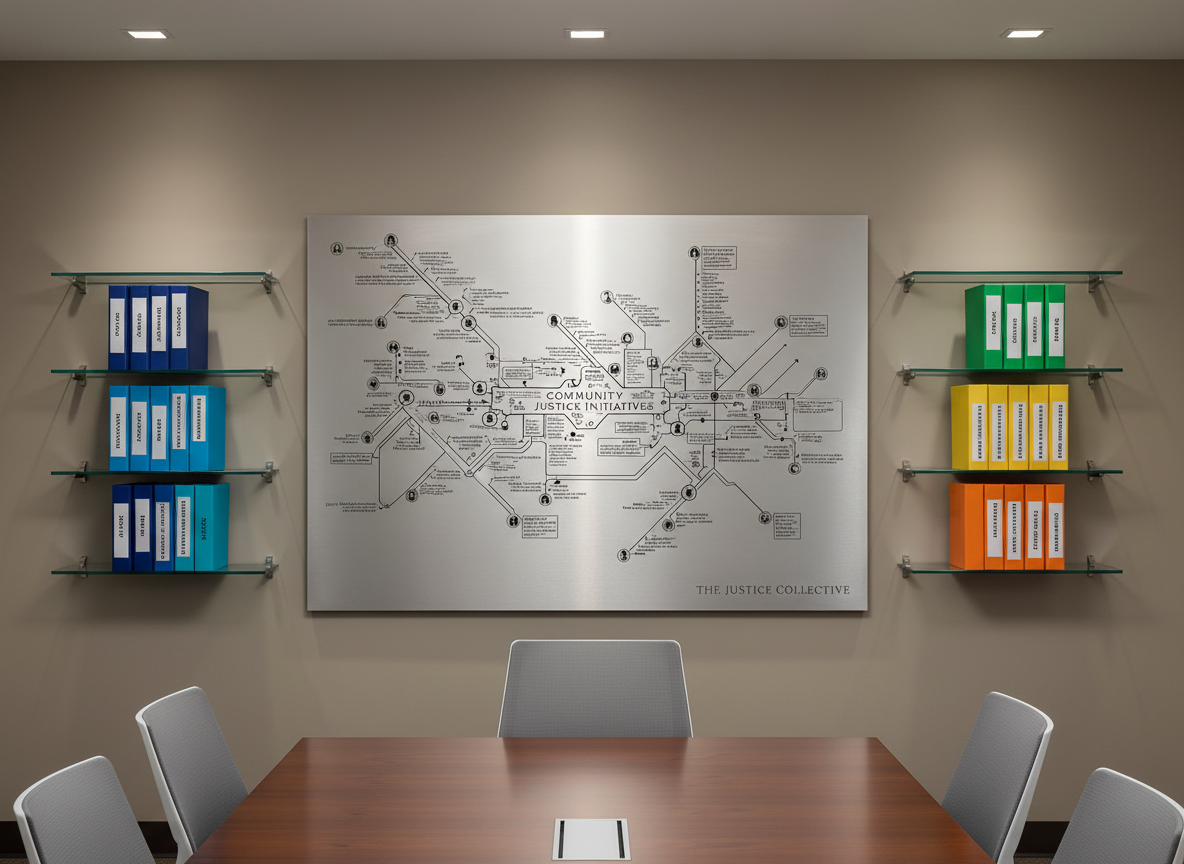
A detailed image of a minimalist wall display featuring an intricate map of community justice initiatives, laser-etched into a brushed aluminum panel. The panel is mounted against a smooth, taupe conference room wall flanked by floating glass shelves with color-coded binders arranged neatly. The soft, indirect glow of recessed ceiling lights creates subtle reflections and crisp edges on the metal surface, enhancing depth. The atmosphere is forward-thinking and methodical, conveying structured progress and innovation. Captured straight-on with balanced, grid-like composition and photographic clarity aligning with a professional, nonprofit reform organization.

Our Reform Programs

We offer education, advocacy, and community training to support safer communities, equitable justice, and sustained reentry success for individuals and families.

Stories That Inspire

Rating: 4.5 out of 5.

“This program transformed my outlook and showed me a viable path to independence.”


— Aya Nakamura

Rating: 4.5 out of 5.

Participants gain confidence and build a path forward.


— Aya Nakamura

Rating: 4.5 out of 5.

“Reentry is possible with the right support and community.”


— Aya Nakamura